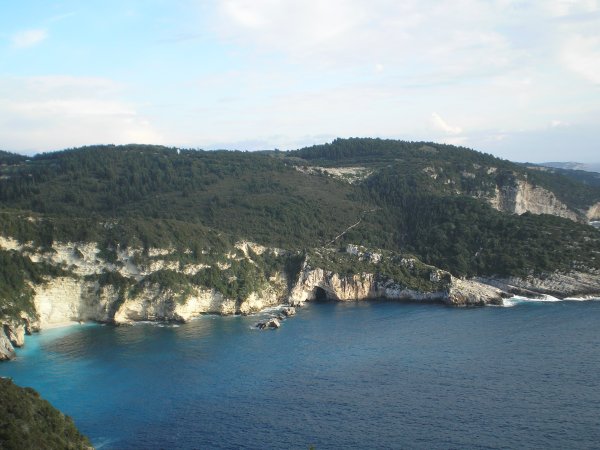
Paxos & Antipaxos: population and waste size
- The island of Paxos covers a space of 29 square kilometers and Antipaxos has a surface of 3 square kilometers.
- Population of Paxos is approximately 2.500 to 3000 permanent residents (including foreigners) during winter and over 10.000 inhabitants during the summer especially in July and August.
- On Antipaxos less than 10 people live permanently over the winter. From Easter time to October (grape harvesting) permanent inhabitants amount to about 60 and during the summer months more than 300 daily visitors land on the island's beaches. More than 200 yachts anchor in the island's coves daily during the summer.
- Both islands produce a daily average of 12 cubic meters of waste (8 cubic meters daily in the winter and more than 16 in the summer)
Current Waste management
- In the '80s a waste dump of 20 square meters was created at a remote area on the west side of the island. All types of waste are still carried there on a daily bases.
- Before 1980 people handled their waste independently inside their properties by burning, recycling all organic waste (feeding kitchen, dairy, using it as fertiliser etc). Besides that, there were no plastic and other modern type objects sold on Paxos. When the first plastic bags appeared, women washed them and reused them or created useful ornamental items, by weaving them into rags etc.
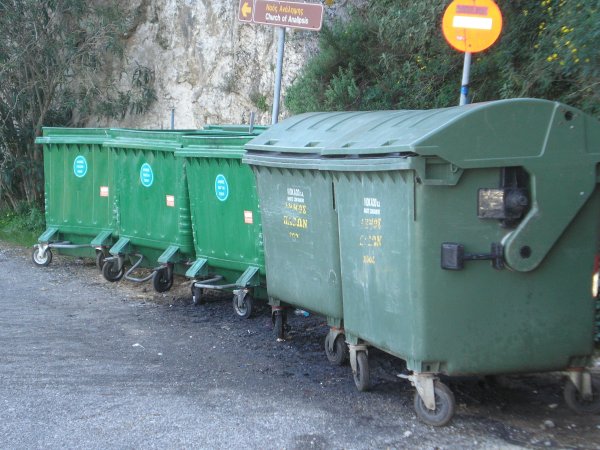
- Nowadays one garbage truck, 8 employees collect during early morning hours waste from green large bins scattered all over the island.
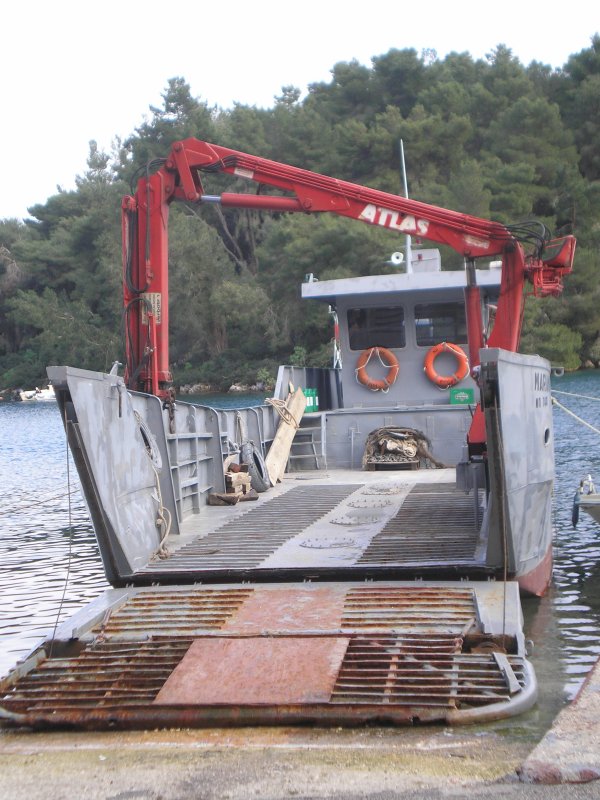
- Garbage collecting from 4 green bins at main settlements also takes place on Antipaxos. Waste is then carried by boat to Paxos every two days or daily during the summer months.
- All kinds of waste are thrown inside the enormous hole of the dump and then covered by many cubic meters of dirt, which is also bought and carried there.
- Cost per household for waste disposal: 2,60 euro per household for garbage collecting and municipal lighting. The bill arrives every 2 or 4 months with the electricity bill.
End of an era
- More than 40.000 euro annual cost only for carrying dirt, digging, enlarging the waste dump and covering garbage.
- In May 2008 the waste dump faced a great fire due to the very high temperatures that lasted for days causing anxiety and annoyance to both locals and tourists.
- Constant increase of population especially during the summer months creating more waste and consequently creating a dire need of endless enlargement of the current dump.
- Fire hazards, pollution of soil and of underground water sources, degradation of natural surrounding environment and esthetic damage of the surrounding area, high maintaining costs = serious negative points of the current waste management system.
- Need for a change became more obvious by the year.
- However waste quantities produced locally do not allow us to pick from a wider list of choices of modern waste management methods.
Decisions made
- Greek laws adapted to E.U. directives drove municipal authorities to certain decisions concerning new waste management methods.
- Immediate cooperation with the waste plant in Corfu (Temploni area).
- Closing down of the waste dump.
- Creation of a garbage transportation station at the ex waste dump area
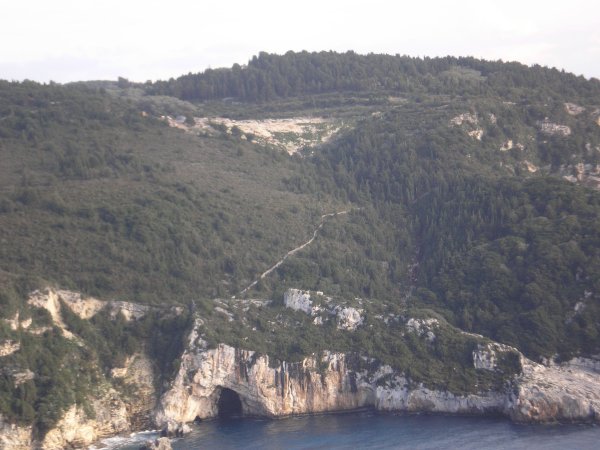
- Approval of an architectural study to bring the waste dump area back to its original shape and form (covering with soil, replanting, introducing a recreational area), improving the natural beauty of the location, which is also visible from the sea.
- Recycling of glass, paper and aluminum objects.
- Sewage plant construction - connection with the 3 main ports and larger villages - connection with the waste transportation station.
- Certain categories of garbage will be pressed and carried in containers to Temploni waste factory in Corfu.
- Recycled material will also be carried away.
Current progress
- A research on environmental consequences of the waste transportation station has been completed and approved.
- Works have started on the construction of the sewage plant.
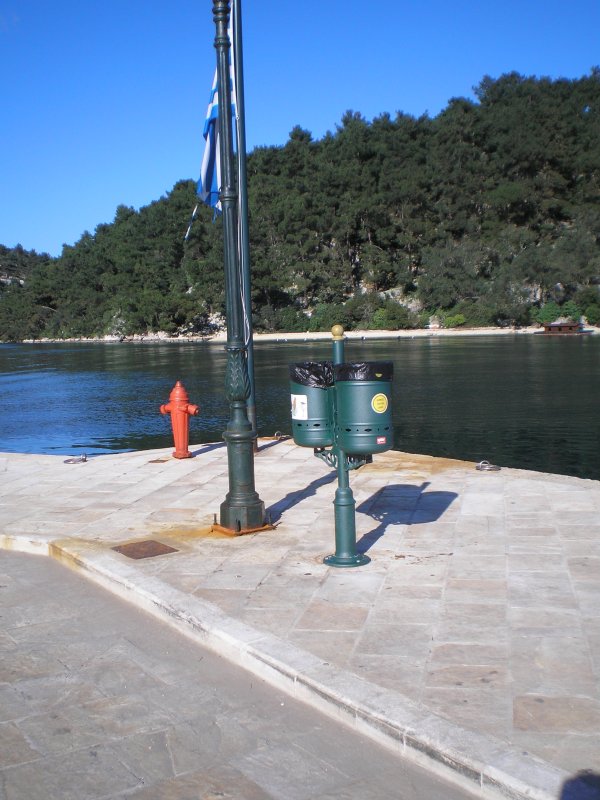
- Recycling cans have been placed in certain areas on the island (schools, municipal offices, local market areas) for batteries and electric lamps.
- Tires, iron objects and old abandoned cars are also collected on municipal expenses.
- More than 250 compost bins of various sizes have been bought by the municipal authorities to be handed over (free of charge) for household use in March 2010.
- 35 recycling bins are going to be placed in specific areas all over the island.
- Plastic bags have been replaced by cloth or bio-degradable bags since 2009.
- Informative campaigns for the benefits of recycling have taken place in schools for the past 4 years
- Public discussions and presentations on the dangers our natural environment is facing and about the necessity for modern waste management techniques to be applied on our island take place very often.
- "Keeping our island clean is everybody's business" an informative cartoons leaflet on responsible citizen's behavior concerning household rubbish, pet litter etc is being handed to every Paxos resident.
- "Do you have to change a bulb or a lamp post? Change your future!" this is the logo of another leaflet to enhance a campaign for lamp recycling and the use of new technology lamps (fluorescent).
Recycling has always been a way of life for the locals before the '80s. Tourism and modern life style seduced them into a vicious circle of consuming and money making, forcing them to disregard the natural beauty and environment of their home island. Fortunately Paxiots of the 21st century are trying to remember positive aspects of an overall hard Paxos everyday life of the past. It will just be done in a more organized and collective way.